OVERVIEW
Motorcycle trip Vietnam Enduro adventure from north to south
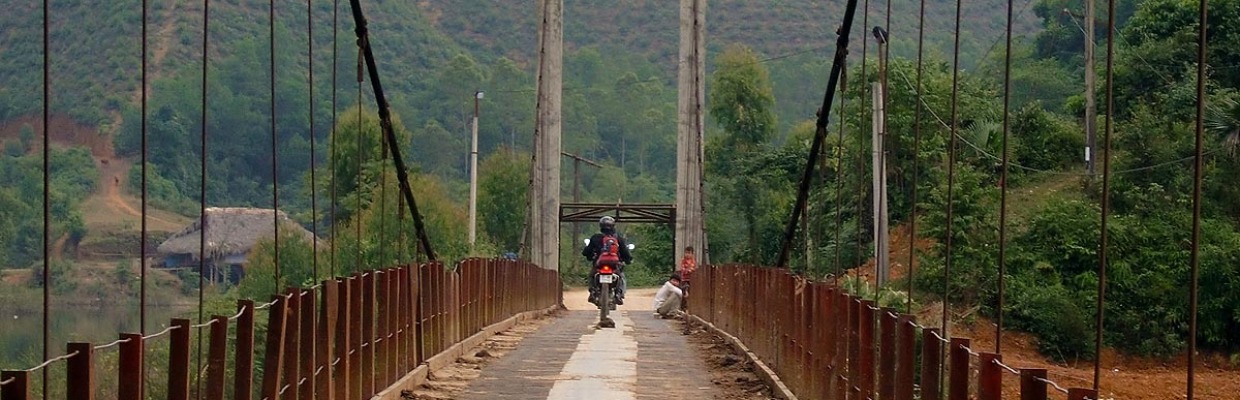
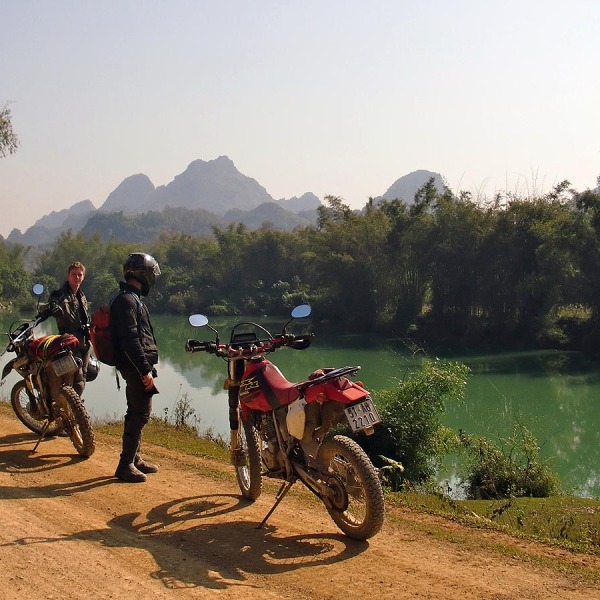
Experience Vietnam from North to South on this 16-day motorcycle trip. Discover the Ho Chi Minh routes, traditional tribes, and Vietnam's breathtaking nature on light enduros! This journey takes place as much as possible in the lesser-known mountainous hinterland along the border with Laos and Cambodia, offering a unique experience.
Overview of the motorcycle trip in Vietnam
We start in Hanoi and head directly south along the so-called Ho Chi Minh routes, which were used during the Vietnam War. In the high mountains at the border with Laos, some traditional tribes still live, who have encountered few to no tourists so far. Beautiful roads then lead us further south. Along coffee plantations and the pointed houses of the mountain peoples. We spend two days in a beautiful coastal city and extensively explore the Mekong Delta. The former Saigon is the end of this journey, where we can get to know the people and the impressive nature of a somewhat different, still largely unknown Vietnam. This Vietnam Enduro adventure can be combined with the highlights of northern Vietnam (10 days) and then with southern Vietnam-Mekong Delta (10 days).
Daily program: North and South Vietnam motorcycle adventure
Day 1: Departure to Vietnam
From home, it goes by plane to Vietnam
Day 2: Arrival Hanoi
On the way to the hotel, you will receive the first impressions of this bustling, typically Asian city. Hanoi was the capital of French Indochina during the colonial period. The French past is still clearly visible, like the wide boulevards and the old villas. Depending on the arrival time, we will take a small city tour by motorcycle. Or you have the option to visit some sights. In the evening, we can enjoy the delicious Vietnamese cuisine during the welcome dinner.
Day 3: Hanoi - Mai Chau
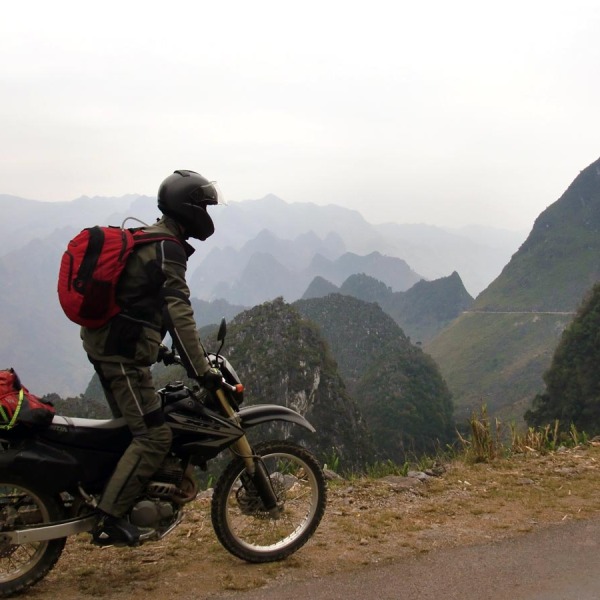
The journey to the west begins with the hustle and bustle of morning rush hour, and many overloaded mopeds weave through the city. We are a small part of it. From Xuan Mai, we follow a part of the Ho Chi Minh Trail until lunch. This beautiful route was once just a path through the jungle that the North Vietnamese used as a supply route during the war for the south. Then we drive along narrow, quiet country roads through Pu Luong National Park to Mai Chau. Here we spend the night in the home of a Thai woman. You won’t find luxury here, but rather a special experience. Of course, in the evening we drink rice wine served by the village elders.
Day 4: Mai Chau - Thai Hoa
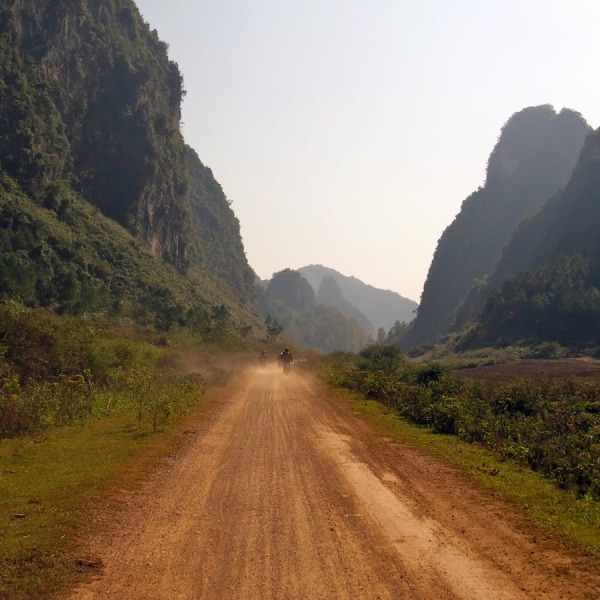
We drive southeast along the Pu Luong NP on quiet country roads and then back onto the Ho Chi Minh route. After that, we drive a stretch along Cuc Phuong and/or Ben Em National Park. We weave through rice and corn fields and along various lakes and will cover part of the distance off-road until we reach a small town where we will settle in for the night.
Day 5: Thai Hoa - Pho Chau
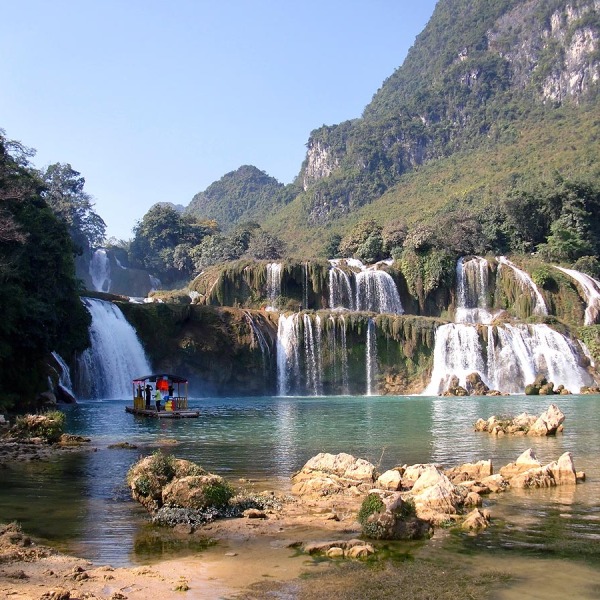
We continue south along the Ho Chi Minh Route. The road is now somewhat narrower and the area is less populated. There are hardly any tourists here, so we get a glimpse of life in the countryside. We pass through small villages, by rubber plantations, tea and corn fields, and by oxen grazing and plowing in the rice fields. We will spend the night in a trading town where there are more churches than temples.
Day 6: Pho Chau - Phong Nha
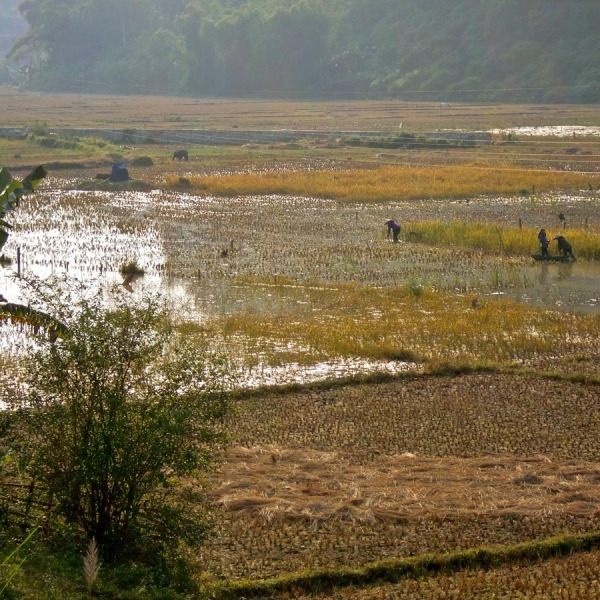
An early start, once again almost deserted streets through spectacular limestone mountains. We pass by Vu Quang National Park, a remote and dense area on the border with Laos. A few years ago, the Vu Quang cow was seen here for the first time. It is one of the rarest animals in the world. People from the Muong Minor live in and around the park. To conclude this beautiful day, we visit the Phong Nha caves. These were formed about 250 million years ago and are the largest and most beautiful caves in the country. These caves are certainly 8 km deep with a network of underground rivers. We spend the night in a small village at the foot of Phong Nha-Ke Bang National Park.
Day 7: Phong Nha - Vinh Moc
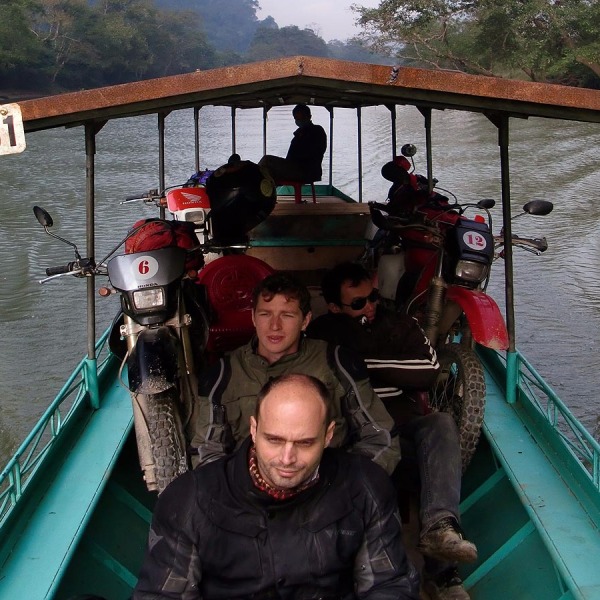
Today we can expect an adventurous route. We will ride our motorcycles through the Ke Bang National Park, which consists of 90% primary forest: forest where human influence is zero and high biodiversity is present. Here is also the most hidden part of the original Ho Chi Minh Route. The part that ended in the 'Demilitarized Zone'. This was a neutral zone between the North and the South during the Vietnam War. Here, the then US Secretary of Defense established a defense line named after him, the McNamara Line. It connected a line of American bases across the entire width of the country. Vietnam is at its narrowest here with 90 km between Laos and the coast. This region is mainly populated by the Bru van Kieu tribe. You can recognize the members directly by their blackened teeth from betel nut. In the afternoon, we will head to the coast to Vinh Moc.
Day 8: Vinh Moc - Hue
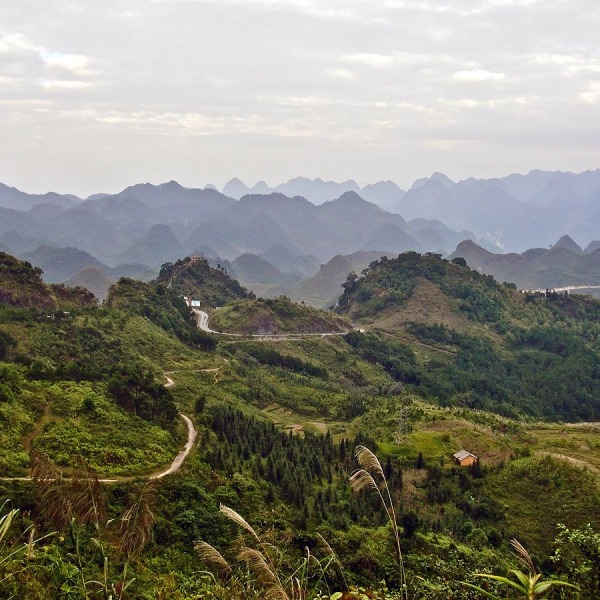
Today is a short travel day. We are visiting the Vinh Moc tunnel complex. While the Chu Chi Tunnels in the south - near Ho Chi Minh City - mainly served as war routes, the Vinh Moc Tunnels provided refuge for villagers to escape the intense US bombings. About 60 families lived here at that time and 17 children were born there. After the tour, we will get on the motorcycles and ride along the coast to Hue, which used to be the imperial capital of the country. We are trying to arrive in the early afternoon so that we have time to visit the old citadel, the forbidden city.
Day 9: Hue - Hoi An
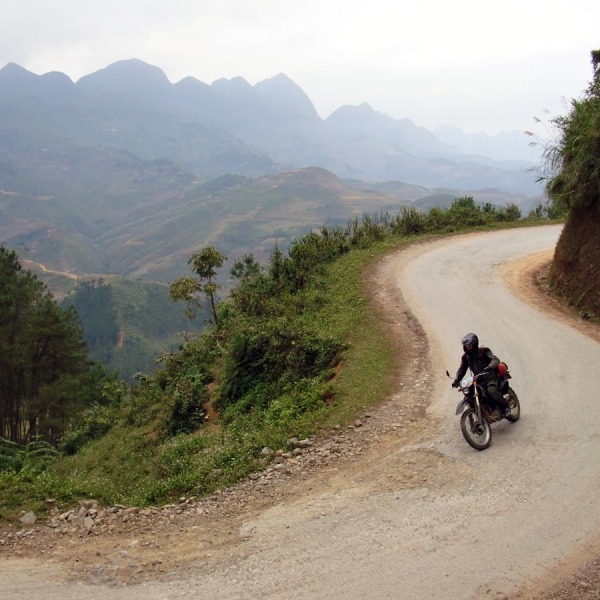
If we didn't visit the old citadel yesterday, it's still possible today. Today we are going to Hoi An, a well-preserved historical trading port that is on the UNESCO World Heritage List. We leave Hue via the main road No. 1 and then take a short detour through the Bach Ma National Park over the Hai Van Pass. It's a beautiful route and we avoid the busy main road. Along the way, we can have a snack and/or a refreshment in the ruins of Hai Van Quan Gate, which was built in 1826 by King Minh Manh. From Danang, we continue south along the coastal road, passing the Marble Mountains. During the war, American ships were fired upon from caves in these mountains. Today it is a marble quarry area with many marble-processing artists. From here, it's not far to Hoi An.
Day 10: Hoi An - Stay
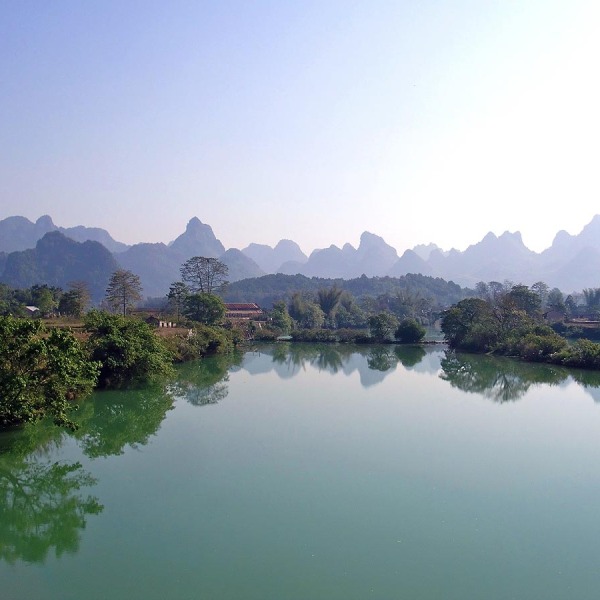
Hoi An is a small town with traditional houses and is considered by many travelers to be one of the most attractive and exciting places in Vietnam. We have to get used to the crowd of tourists as it is worth spending a whole day in the village. Along the river, there is a colorful market and the traditional streets full of historical Chinese-toned buildings and small Chinese temples. You can take a boat ride on the river and go to the nearby beach. There are many delicious restaurants and cozy cafés in Hoi An.
Day 11: Hoi An - Dak Glei
My Son is 30 km from Hoi An and was the political and religious center of the Cham people, who ruled Central Vietnam from the fourth to the thirteenth century. Although the war has left its mark here, it is still an interesting and atmospheric place. We leave the other tourists far behind and drive through the unknown mountainous areas of the Central Highlands. Via a narrow road, we reach Route 14, which leads us to the Ho Chi Minh Highway. We drive to Dak Glei, a quiet town far from other places in the Central Highlands. The hotel and restaurants are simple.
Day 12: Dak Glei - Plei Ku
We continue south on the Ho Chi Minh Road. The road is a bit worse here and there are hardly any other road users. After the beautiful Lo Xo Pass, we enter the area of the Rong, a minority whose villages are directly recognizable by the particularly high roof of the community building. This architectural style is also found on some Indonesian islands. It is a fantastic mountain landscape along villages of various minorities and a good road that continuously follows the Dak Po River. We continue on to Plei Kan to travel on a challenging gravel road to Kontum, where we have lunch. We continue through the center of the Central Highlands. This area has changed rapidly in recent years due to the intensive production of tea and coffee. We spend the night in the trading town of Plei Ku.
Day 13: Plei Ku - Dak Mill
A long but beautiful and particularly exciting day of travel on the motorcycle lies ahead of us. This part of the Ho Chi Minh route has been a heavily trafficked connecting route between the major cities in the Central Highlands for years, so be cautious of the many trucks and buses that we encounter along the way. In the morning, we will cover many kilometers to bypass a heavily trafficked road via an unpaved road. At least if the water level permits! On this part of the route, the support vehicle will not be able to follow us and will join us later. We will drive through Ea Sup and Yok Don National Park to Dak Mill, a small village by a lake. Beware of the elephants crossing the road!
Day 14: Dak Mill - Thac Mo
Today will be exciting again as we ride along the Cambodian border on motorcycles. Westerners are actually not allowed to be here, which makes today even more interesting. We are trying to pass through Bu Gia Map Park, an important battlefield during the Vietnam War. If the passage is blocked, we will go over Dak Lac to Thac Mo. In Dak Lac province, there are no less than 44 ethnic groups. The largest groups are the Ede, the M'ng, and the Thai. The Ede is characterized, among other things, by their matriarchal system; the woman is the head of the family, children take her name, and only daughters have inheritance rights. Thac Mo is located by the Thac Mo reservoir of the same name.
Day 15: Thac Mo - Ho Chi Minh
The last driving day is a travel day to the large and bustling city of Ho Chi Minh. It was formerly known as Saigon City, named after the Sai Gon River. We drive into the city, past the central cathedral and past the Palace of Reunification (Independence). This palace was the workplace of the former president of South Vietnam and is unforgettable since a North Vietnamese tank drove through its gate. There is much to see in Ho Chi Minh. For example, a visit to the American War Crimes Museum is a must. Benh Tanh Market is a suitable place for all kinds of shopping. Above all, it is fun to walk or drive around in this gigantic city. Although Hanoi is the political capital, Ho Chi Minh is the largest city in the country. It is the industrial and commercial heart of the country.
PRICE
from€2879.00 / person✓ Trip includes
✕ Trip does not include
- All airport transfers
- All overnight stays (not always with breakfast)
- Rental machine Kawasaki KLX 150cc (Upgrade Honda XR 250cc available)
- Transport of rental motorcycles from Ho Chi Minh to Hanoi
- Travel mechanic in the support vehicle (for more than 6 participants)